
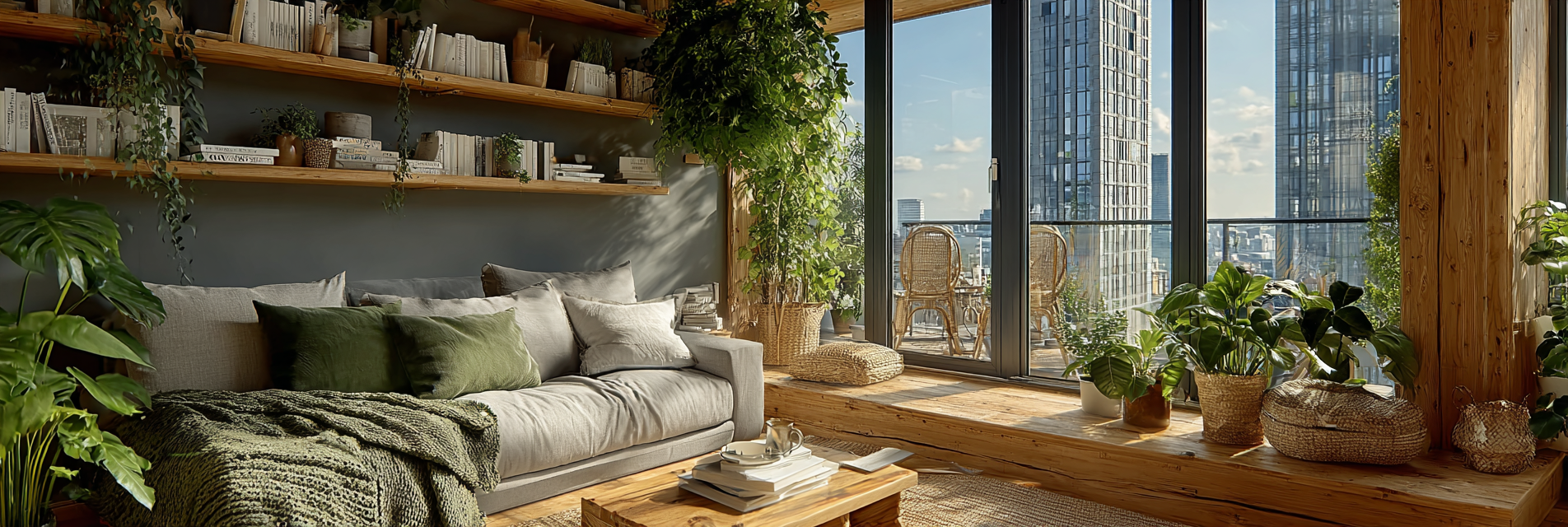
Why We Crave Green: The Wellness Benefits of Indoor Plants
In our fast-paced, screen-filled modern lives, we instinctively seek nature as a source of calm, clarity, and balance. This deeply human tendency, known as biophilia, is the foundation of biophilic design—a growing movement that invites nature back into our built environments. Indoor plants aren’t just decoration; they are wellbeing boosters with real, measurable impact.
Scientific studies have shown that incorporating greenery into interiors can reduce stress, lower blood pressure, and even improve focus and creativity. In workspaces, houseplants can increase productivity and reduce mental fatigue. At home, they create a grounding, serene atmosphere that promotes relaxation and emotional regulation.
There’s also a powerful sense of companionship in nurturing living things. Tending to plants—watering, pruning, propagating—offers small, meaningful rituals that anchor us in the present moment. This mindful interaction fosters a slower pace and an intentional connection to our surroundings.
Even the simple visual presence of green can be uplifting. The colour green is associated with renewal and harmony, and leafy silhouettes break up the harsh lines of furniture and architecture, bringing softness, depth, and a touch of organic imperfection that our eyes and hearts naturally respond to.
Biophilic Design at Home: Bringing the Outside In
Biophilic design isn’t a trend—it’s a timeless approach rooted in reconnecting people with the natural world. At home, this means more than simply adding plants; it’s about integrating nature into your environment holistically, through texture, colour, form, and sensory elements.
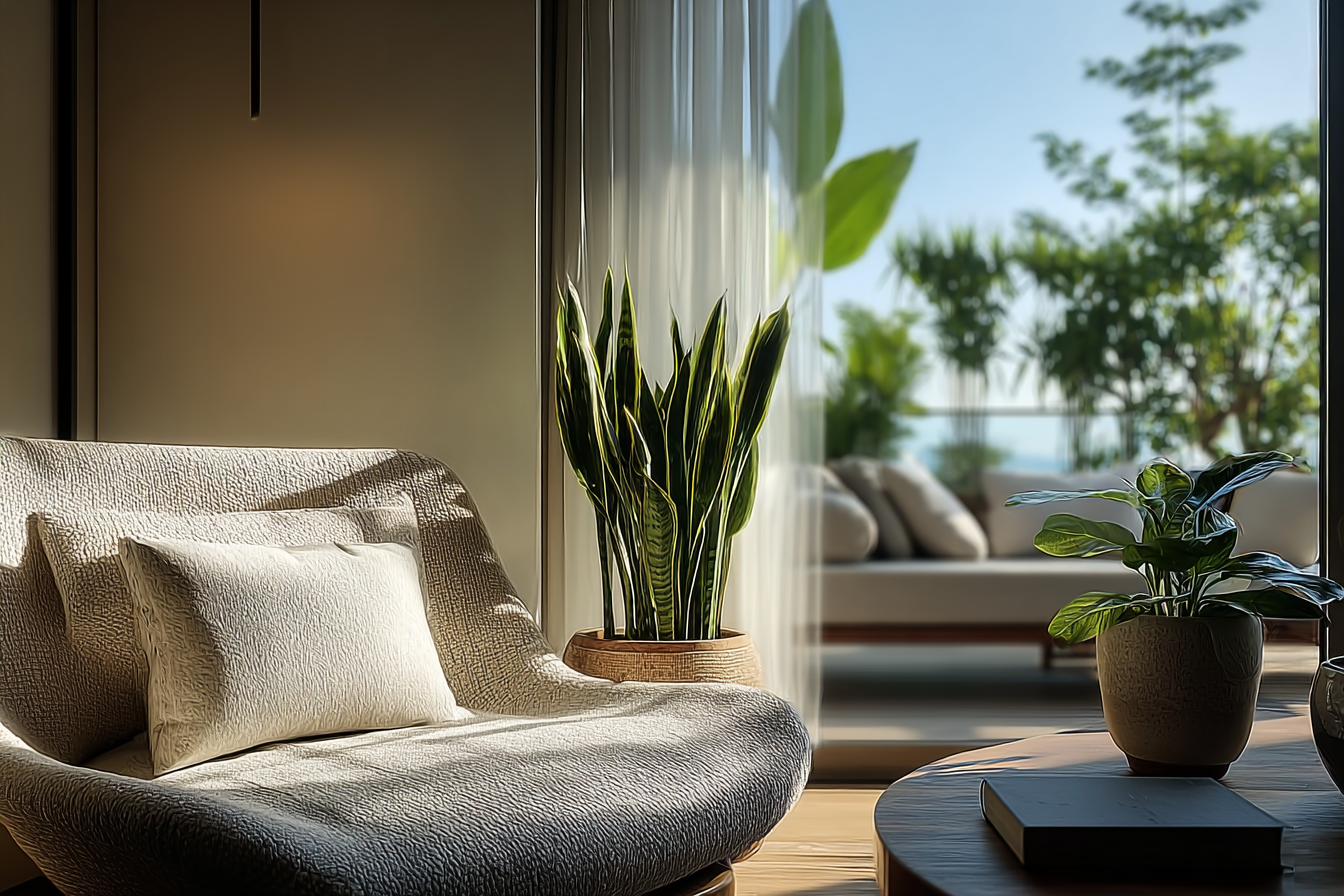
Start by enhancing access to natural light. Position your plants near windows, sliding doors, or skylights to ensure they—and you—benefit from daylight’s shifting beauty. Choose materials like wood, rattan, clay, and stone to complement greenery with a tactile, organic palette. Soft textiles in natural fibres, warm neutrals, and earthy tones further strengthen the nature-inspired atmosphere.
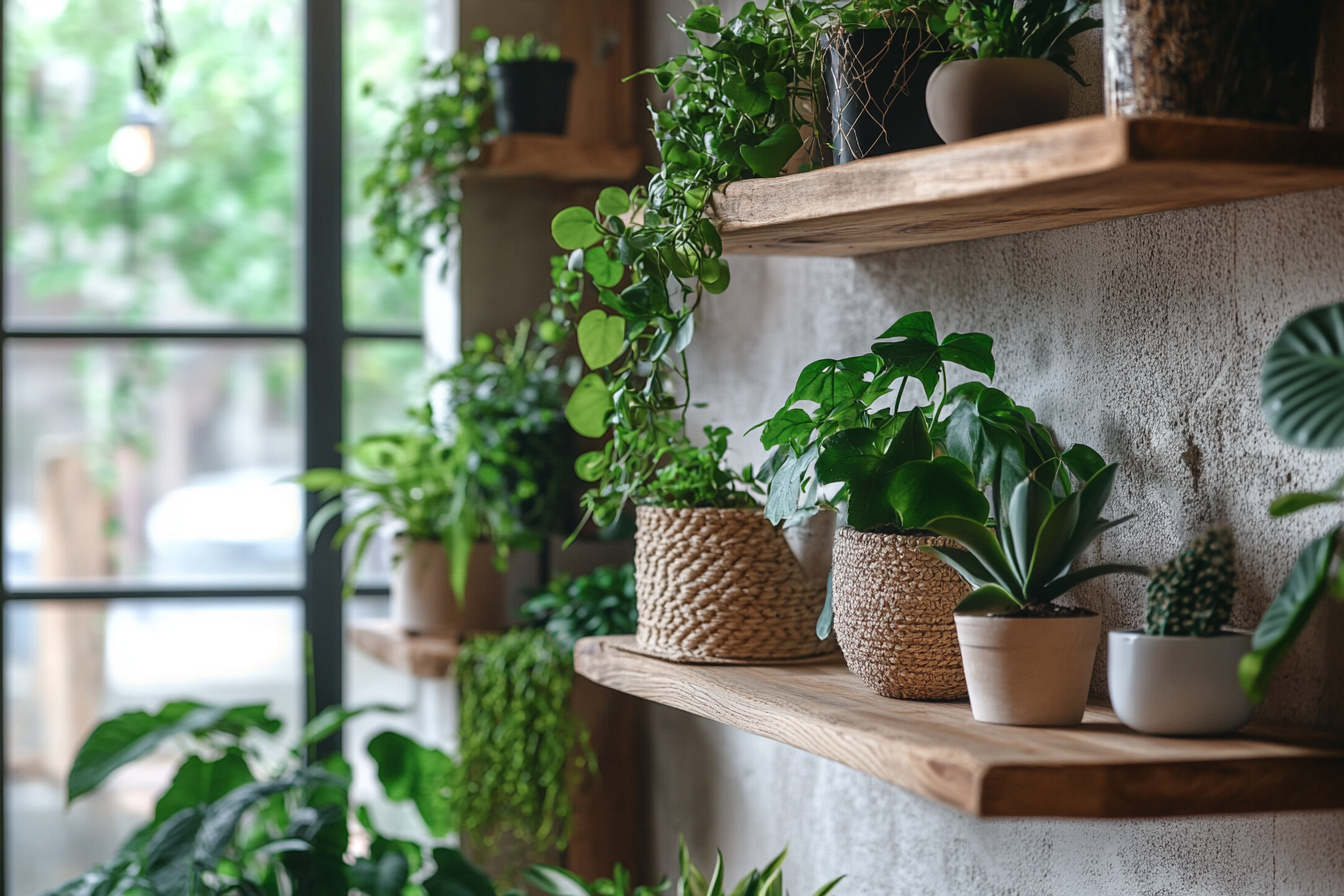
Use plants as design features—statement trees in large planters can anchor a space, while trailing vines soften high shelves or wrap around beams and curtain rods. Mix shapes, heights, and leaf types to mimic the layered structure of a forest or garden.
Biophilic design also considers sensory experience. Include fragrant herbs in the kitchen, rustling palms in the lounge, and textured foliage in bedrooms for a multi-sensory immersion. Water features, diffusers, and even ambient nature sounds can deepen this connection.
The result is a home that feels calm, nurturing, and instinctively comfortable—a true sanctuary where mind and body can flourish, gently wrapped in the embrace of the natural world.
Choosing the Right Plants for the Right Places
Plant success isn’t just about aesthetics—it’s about matching the right plant with the right location. When chosen with care, houseplants can thrive in every room, from shady bathrooms to sun-drenched conservatories. The key? Light levels, humidity, and room function.
In the living room, go bold with statement greenery like fiddle leaf figs, monsteras, or rubber plants. These add vertical interest and make an instant style statement. For shelves and corners, add trailing pothos or structural snake plants.
In bedrooms, choose calming, low-maintenance plants that help purify the air and promote restful sleep. Peace lilies, lavender, sansevieria, and aloe vera are all soothing and subtly beautiful.
For the kitchen, go for herbs like basil, rosemary, and mint, which bring both fragrance and function. Spider plantsand succulents also work well here, thriving in warm, bright conditions.
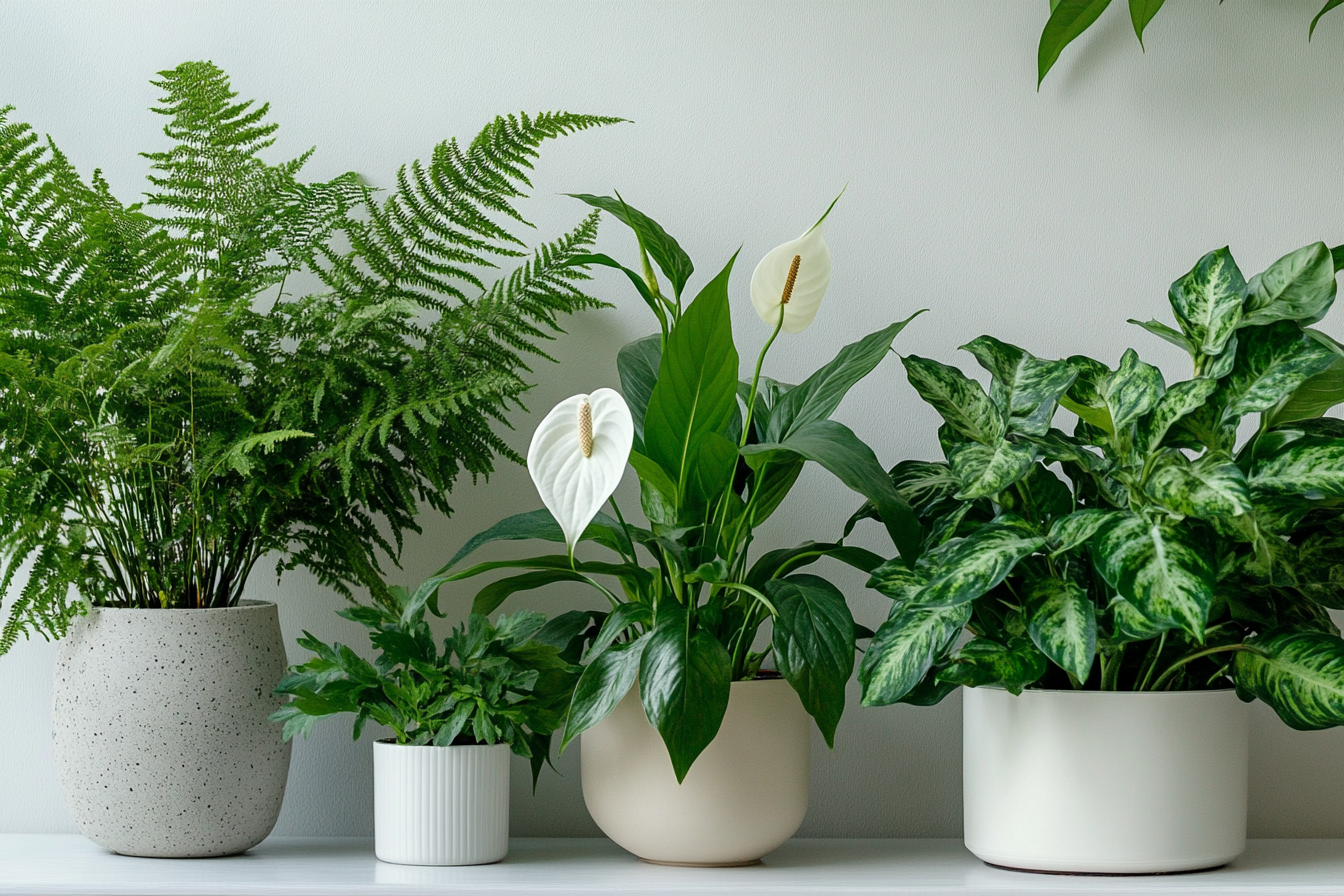
Bathrooms, often humid and low-light, are ideal for ferns, philodendrons, and ZZ plants. These tropical natives love moisture and can tolerate fluctuating light levels.
In workspaces, consider upright, space-efficient plants like rubber plants, pothos, or Chinese evergreens—plants that bring oxygen and concentration without requiring much care. Wherever you place them, remember: a happy plant makes a happier space.
Layering Greenery: Styling with Height, Texture, and Movement
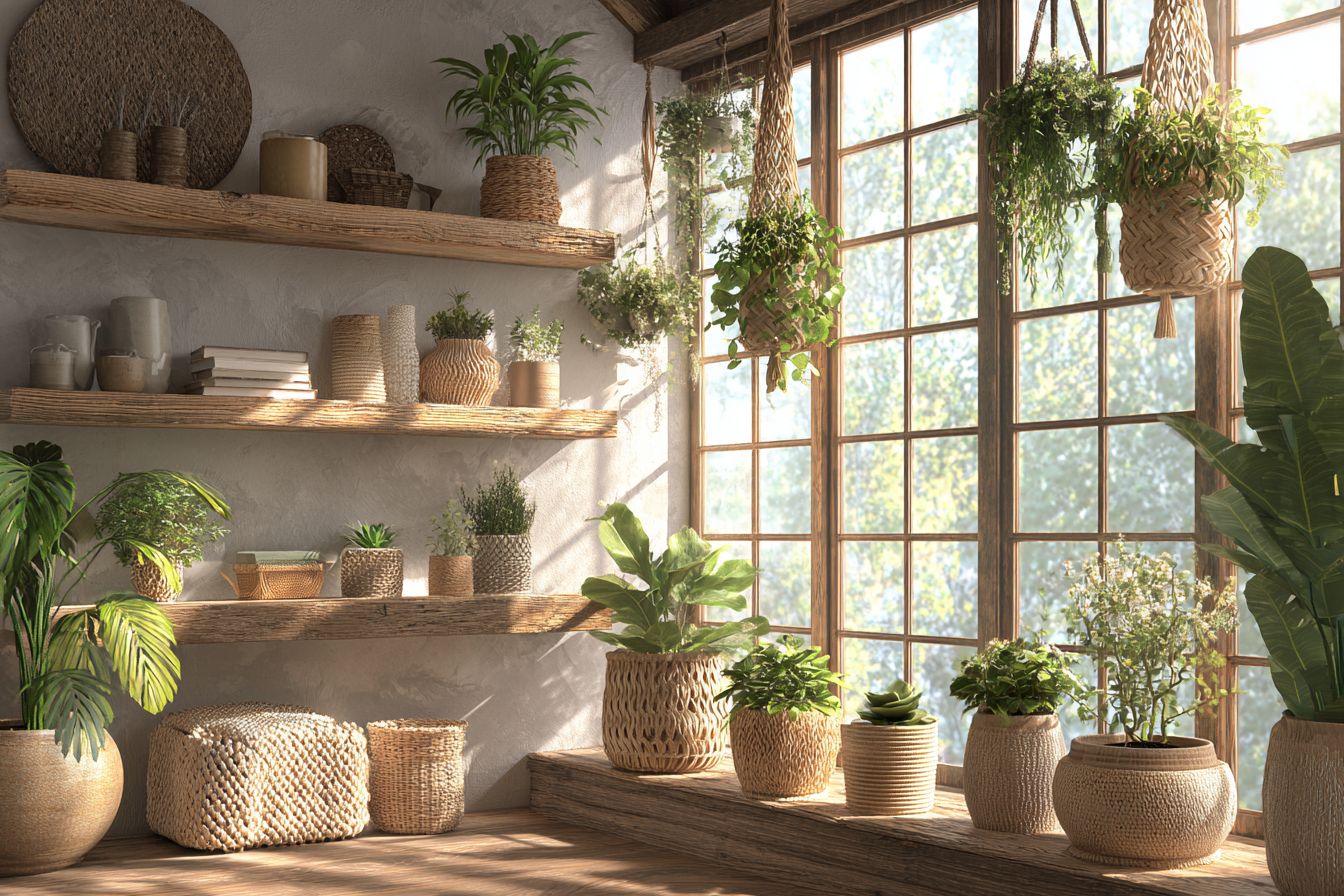
One of the secrets to beautifully styled indoor greenery is layering—treating plants like you would cushions or artwork. A well-composed plant arrangement considers height, depth, and rhythm, creating a visual story that feels both organic and intentional.
Start with foundation plants—larger species like dracaena, bird of paradise, or kentia palms—to anchor corners or frame furniture. These tall plants ground the space and create structure.
Next, introduce mid-sized plants such as calatheas, parlour palms, or rubber plants, placed on low tables, stools, or plant stands. Their lush forms bridge the gap between floor and eye level. To complete the composition, add smaller accents—succulents, pileas, or fittonias—on windowsills, bookshelves, and side tables.
Don’t forget vertical movement. Use trailing plants like string of hearts, devil’s ivy, or trailing peperomia to spill from shelves or hang in macramé holders, softening hard edges and drawing the eye upward.
Aim for a mix of leaf shapes—spiky, round, heart-shaped—and colours, from vibrant greens to silvery or variegated tones. This adds contrast and keeps the arrangement visually engaging. The result? A space that feels abundant, layered, and wonderfully alive.
The Best Indoor Plants for Beginners
If you’re just starting your plant journey, there’s no need to fear finicky foliage. Some indoor plants are remarkably forgiving—tolerating a range of conditions, irregular watering, and a little benign neglect. These hardy housemates are perfect for plant newbies or busy households.
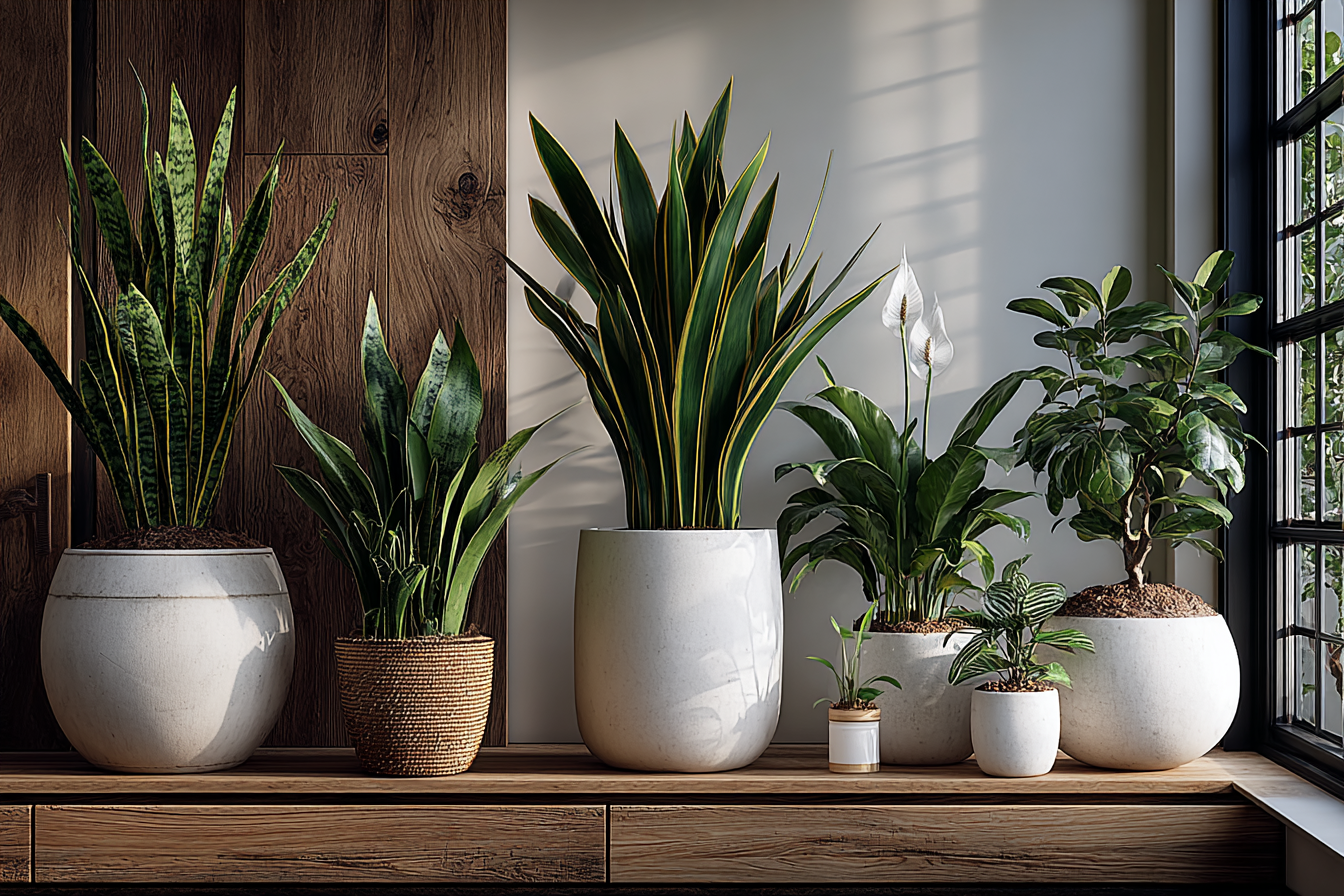
Top of the list is the snake plant (Sansevieria), famed for its resilience and air-purifying qualities. It thrives on neglect, tolerates low light, and requires minimal watering—ideal for hallways, bedrooms, and workspaces.
Pothos (Epipremnum aureum), also known as devil’s ivy, is a fast-growing vine that works in hanging baskets or draping off shelves. It flourishes in both bright and dim areas and bounces back quickly from missed waterings.
The ZZ plant (Zamioculcas zamiifolia) is another low-fuss gem. Its waxy, sculptural leaves withstand drought and low light, making it a stylish choice for any room.
Peace lilies are beloved for their white blooms and adaptability. They enjoy regular watering and medium light but can survive less-than-perfect care.
Spider plants are perfect for kitchens and bathrooms, growing quickly and even producing baby “pups” you can repot and share.
Start with these, and you’ll soon be confident enough to experiment with more exotic or high-maintenance greenery.
Vertical Planting and Hanging Solutions
When you’re short on floor space—or just want to create an eye-catching green statement—vertical planting is the way to go. Whether it’s a dramatic living wall or a charming hanging display, these solutions elevate your plant styling—literally.
Wall-mounted planters are perfect for hallways, bathrooms, and kitchens. Choose a system with modular pockets or shelves, and mix in trailing and upright plants for a textured effect. Combine ferns, herbs, and pothos for a lush, dynamic composition.
Hanging planters are ideal for corners or in front of windows. Use macramé hangers, ceramic pots, or even repurposed baskets. Vary the lengths and styles for a bohemian, layered look. Hanging plants like string of pearls, rhipsalis, and trailing jade offer motion and softness without crowding your surfaces.
For a modern touch, consider wall grid trellises or plant ladders—both allow for creative climbing displays or pot hooks that can be rearranged seasonally.
The beauty of vertical greenery is its space-saving elegance. It draws the eye upwards, makes rooms feel taller, and adds a striking, sculptural element to your interior—all without compromising precious surface space.
Styling Plants with Furniture and Decor
Alt Text Prompt: A well-styled interior with plants integrated into bookshelves, sideboards, coffee tables, and alongside art.
Think of your plants as part of your interior styling toolkit—not just as extras, but as co-stars in your design narrative. Just as you’d consider the placement of a lamp or a piece of artwork, houseplants deserve thoughtful positioning to complement your furnishings and reflect your aesthetic.
Sideboards and consoles come alive with the addition of leafy companions—try placing a tall plant at one end, balanced by smaller sculptural items or a framed print on the other. On coffee tables, use a low, textural plant like a pilea or a mini fern in a ceramic bowl or terrarium as a natural focal point.
Bookshelves are perfect for layering greenery—nestle small pots between stacks of books, let vines trail from high shelves, or add air plants in decorative holders. This adds softness and breaks up visual clutter.
Match your pots and plant holders to your decor scheme—rustic terracotta for earthy or boho interiors, sleek concrete or ceramics for modern minimalism, or rattan and woven baskets for a relaxed, organic vibe.
With a little curation, plants don’t just fit into your space—they complete it.
Caring for Your Indoor Garden: Light, Water, and Routine
Alt Text Prompt: A windowsill with healthy, well-watered houseplants, a misting bottle, watering can, and care notes nearby.
A beautiful indoor garden starts with good styling—but it thrives with good care. Fortunately, many houseplants require only simple, regular attention to flourish. The golden rule? Observe your plants and respond to their needs, rather than sticking rigidly to a watering schedule.
First, understand your light conditions. Direct sunlight suits succulents and cacti, while indirect light is better for ferns, pothos, and peace lilies. Rotate plants regularly to encourage even growth and avoid one-sided stretching.
Watering is where most plant parents go wrong—overwatering is far more common than underwatering. Always check the soil before watering. If the top inch is dry, it’s usually time for a drink. Use pots with drainage holes to prevent soggy roots, and mist humidity-loving plants like calatheas or ferns.
Create a simple plant care routine—perhaps on a Sunday morning—where you water, prune, dust leaves, and check for pests. This ritual not only keeps your plants healthy, it offers a peaceful, grounding moment in your week.
Plants are responsive. They droop, curl, or yellow to communicate their needs. Over time, you’ll learn to read them—and in doing so, you’ll cultivate not just greenery, but mindfulness too.
Seasonal Styling with Plants and Botanicals
Alt Text Prompt: A cosy autumn-themed living room with warm tones, seasonal foliage, dried flowers, and houseplants.
Your plant styling doesn’t need to stay the same all year round. Just as you swap out cushions and throws with the seasons, your greenery can evolve to reflect the time of year—keeping your interiors fresh, sensory, and in tune with nature.
In spring, focus on fresh growth and propagation—introduce bright greens, repotting projects, and pastel-toned planters. In summer, play with lush, jungle-style arrangements—group palms and trailing plants around open windows or on terraces.
Autumn invites earthy tones and texture—pair green plants with dried botanicals, grasses, and branches in vases. Opt for terracotta pots and rust-toned accents for a cosy vibe.
In winter, embrace evergreens and structure—use sculptural plants like rubber trees or snake plants, and supplement with cut foliage or festive wreaths. Add twinkling fairy lights or candles for seasonal glow amongst the leaves.
This rotating approach keeps your plant displays engaging and seasonally aligned, helping your home feel connected to the rhythms of the natural world—even when it’s cold or grey outside.
Styling Plants as a Way of Life
Alt Text Prompt: A plant-filled home interior where greenery is integrated into every room and lifestyle element—shelves, workspaces, kitchen, and reading nook.
Styling with plants is more than an aesthetic choice—it’s a lifestyle. It’s about crafting a space that breathes with you, evolves with the seasons, and supports your mental and emotional wellbeing. When we live with greenery, we live more gently, more mindfully, more in tune with the natural rhythms that shape us.
Bringing plants into your home is also an act of care—not just for them, but for yourself. It invites pause, attention, and presence. It encourages creativity, patience, and observation.
From the joy of seeing a new leaf unfurl, to the satisfaction of propagating a trailing vine, the power of plants lies not only in their beauty but in the quiet companionship they offer. They connect us to nature, even in urban flats or cold winters. They remind us of growth, change, and resilience.
So start small, or go wild. Rearrange with the seasons. Let your shelves bloom. However you do it, let your home live green—and it will love you right back.
Conclusion: Green, Glorious, and Grounding
Indoor plants do more than decorate—they create mood, improve health, and turn any house into a vibrant, living sanctuary. With styling tips, layout ideas, and plant care wisdom, you’re now equipped to turn every corner into a little celebration of nature. Happy planting!